
PSORIASIS - PART 2: EXERCISING WITH PSORIASIS

Updated: Aug 13
This is part 2 - did you read Part 1?
Disclaimer: The content of this blog post, authored by Dr. Moran Sciamama-Saghiv, is provided for informational and educational purposes only and does not constitute medical advice, diagnosis, or treatment. No doctor–patient relationship is created by reading or applying the information. Readers should always consult a licensed healthcare professional before making decisions related to medications or treatment. Neither the author nor any affiliated party assumes any liability for actions taken based on this content.
Living with psoriasis can feel overwhelming, particularly when trying to maintain an active lifestyle. Exercise is crucial for overall health, but discomfort and visibility of psoriasis can sap motivation. This blog post will dive into how you can exercise effectively while managing psoriasis, providing practical tips and real-life examples to help you stay active and healthy.

Understanding Psoriasis and Its Impact on Exercise
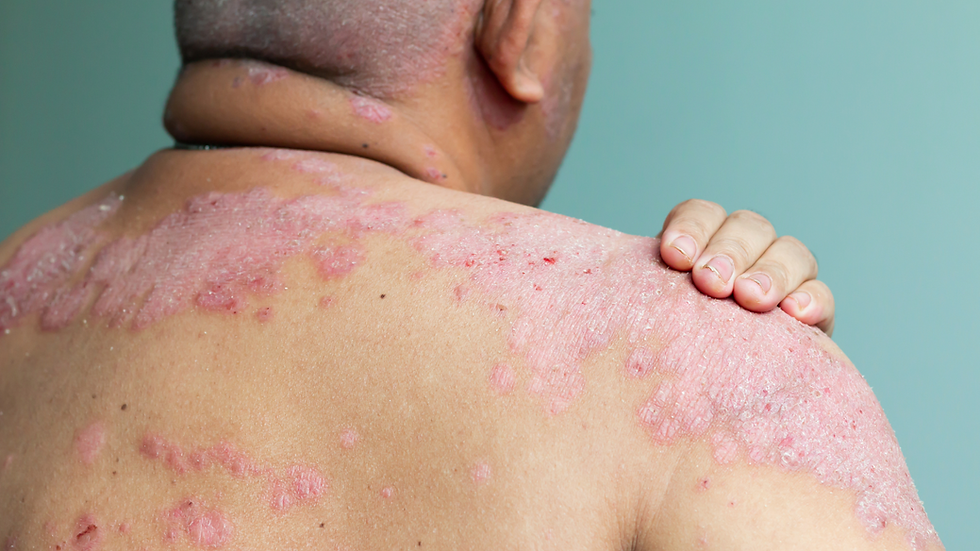
Psoriasis is a chronic autoimmune condition that leads to rapid skin cell growth, causing thick, red, scaly patches. These patches can be itchy and painful, sometimes interfering with daily activities. Research indicates that around 30% of those with psoriasis experience joint pain, making physical activity even more challenging. Despite these hurdles, staying active is immensely beneficial for individuals with psoriasis. Regular exercise can lower stress levels, boost your mood, and improve your overall well-being. For instance, a study found that regular physical activity can reduce the risk of obesity by 50%, a significant factor since carrying excess weight can worsen psoriasis symptoms.
Choosing the Right Type of Exercise
When exercising with psoriasis, it's essential to select activities that are gentle on your skin and joints. Below are effective choices:
Low-Impact Aerobic Exercises
Low-impact aerobic exercises, such as walking, swimming, or cycling, are fantastic for building cardiovascular health. Swimming is especially beneficial; research shows that participants reported a 60% reduction in skin irritation when exercising in water, thanks to the soothing effects and hydration.
Strength Training
Incorporating strength training can help build muscle and enhance overall stamina. Focus on bodyweight exercises, like push-ups and squats, or resistance bands to minimize injury risk. Start with two to three sessions per week, gradually increasing workouts as you feel more comfortable.
Flexibility and Stretching
Exercises like yoga and Pilates are excellent for improving flexibility, which can ease joint pain. These activities also promote relaxation; a study indicated that people practicing yoga experienced a 40% decrease in stress levels, important for managing psoriasis flare-ups.
Mind-Body Exercises
Mind-body exercises, such as tai chi or meditation, can significantly diminish stress, a known trigger for psoriasis flare-ups. Incorporating these practices into your regimen can lead to better mental health and a more balanced lifestyle.

Creating an Exercise Routine
Establishing a consistent exercise routine is key to enjoying its numerous benefits. Here are some actionable tips to help you develop a plan:
Set Realistic Goals
Start with small, manageable goals. For instance, aim for just 10 minutes of exercise daily, gradually increasing to 30 minutes. Setting realistic goals keeps you motivated and mitigates feelings of frustration if you can't immediately achieve more impressive targets.
Listen to Your Body
Pay close attention to how your body reacts to different exercises. If you feel discomfort or irritation, modify your routine. Maybe try gentler activities, like walking or deep stretching, while you adjust. This approach is vital for sustainable exercise.
Schedule Your Workouts
Make your workouts a priority by putting them on your calendar. Consistency builds habits, so pick a time that fits your lifestyle and stick with it. Aim for at least 150 minutes of moderate exercise per week, as recommended by health professionals.
Stay Hydrated
Staying hydrated is essential for overall health and skin management. Experts recommend drinking at least eight 8-ounce glasses of water daily, especially during workouts, to help keep your skin hydrated and minimize flare-ups.

Managing Psoriasis Flare-Ups During Exercise
Even with a solid routine, flare-ups can occur. Here are several strategies to manage them:
Dress Appropriately
Opt for breathable, moisture-wicking fabrics during workouts, as they are generally gentler on sensitive skin. Avoid tight clothing that can cause friction. If exercising outdoors, wear sunscreen to protect your skin and avoid UV exposure.
Use Moisturizers
Applying a good moisturizer before and after exercise is crucial. Look for products aimed at sensitive skin or specifically designed for psoriasis, which can help keep skin hydrated and irritation-free.
Modify Your Routine
If you experience a flare-up, adjust your exercise routine. Focus on gentler options like stretching or walking until your symptoms settle down. Flexibility in your approach is essential.
Consult Your Healthcare Provider
Persistent flare-ups or discomfort during exercise should be discussed with a healthcare provider. They can suggest personalized strategies to help you navigate your specific situation effectively.
The Role of Nutrition in Exercise and Psoriasis Management
Diet plays a vital role in managing psoriasis and supporting your exercise efforts. Here are key dietary recommendations:
Anti-Inflammatory Foods
Focus on anti-inflammatory foods like fruits, vegetables, whole grains, and healthy fats. Foods high in omega-3 fatty acids, such as salmon or flaxseeds can help reduce inflammation. A well-balanced diet lowers the chances of experiencing flare-ups.
Stay Hydrated
As mentioned, hydration matters. Consuming enough water does wonders for skin health and potentially alleviates psoriasis symptoms. Studies suggest that hydrated skin experiences fewer flare-ups.
Limit Processed Foods
Cutting back on processed foods high in sugar and unhealthy fats can significantly decrease inflammation. Research shows that a diet heavy in such foods can worsen psoriasis symptoms, so prioritizing whole, nutrient-dense options can improve overall health.
Consider Supplements
Some people with psoriasis find benefits from supplements like omega-3 fatty acids, vitamin D, or probiotics. Always consult your healthcare provider before starting new supplements to ensure they align with your health goals.

Building a Support System
Support from others can significantly enhance your ability to stay active and manage psoriasis. Here’s how to cultivate a supportive network:
Join a Support Group
Consider joining local or online groups for those with psoriasis. Connecting with others facing similar challenges can be uplifting, allowing for the sharing of experiences and tips.
Involve Friends and Family
Invite friends and family into your exercise routine. A workout buddy not only makes exercising more fun but also provides accountability.
Seek Professional Guidance
If you're unsure where to start, consider enlisting a personal trainer or physical therapist experienced with psoriasis. Personalized advice can lead to a safe and effective exercise plan tailored for you.
Final Thoughts
Exercising with psoriasis may come with unique challenges, but an active lifestyle is attainable. By selecting appropriate types of exercise, establishing a solid routine, and employing strategies to manage flare-ups, you can reap the benefits of physical activity. Remember to listen to your body, stay hydrated, and lean on your support network. With a thoughtful approach, you can thrive in your journey with psoriasis while improving your overall health and well-being.
Register for FREE and get notified every time a new post is added to KIIP by Dr. Saghiv's website. Stay updated all the time with added blog posts about health, wellness, kinesiology, talent acquisition, job seeking, leadership, military service, and more.

Services by Dr. Moran Sciamama Saghiv:
Tags associated with this blog post:
psoriasis, skin disease, autoimmune disorder, chronic skin condition, plaque psoriasis, guttate psoriasis, inverse psoriasis, pustular psoriasis, erythrodermic psoriasis, skin inflammation, itchy skin, red patches, scaly skin, dry skin, flaky skin, cracked skin, skin lesions, skin plaques, silvery scales, skin redness, chronic inflammation, immune system disorder, T cell overactivity, skin renewal, epidermal turnover, psoriasis flare, triggers of psoriasis, stress and psoriasis, genetics and psoriasis, family history, immune response, infection trigger, strep throat, smoking and psoriasis, alcohol and psoriasis, obesity and psoriasis, weather and psoriasis, cold weather, skin dryness, skin irritation, scalp psoriasis, nail psoriasis, joint pain, psoriatic arthritis, psoriasis symptoms, psoriasis causes, psoriasis treatment, topical creams, corticosteroids, salicylic acid, coal tar, vitamin D cream, phototherapy, UVB therapy, excimer laser, biologic therapy, biologics, immunosuppressants, methotrexate, cyclosporine, apremilast, inflammation control, immune modulation, dermatologist, skin specialist, psoriasis diagnosis, skin biopsy, skin care, moisturizing, emollients, skin hydration, gentle skin care, fragrance free products, skin barrier repair, stress reduction, mindfulness, yoga for psoriasis, diet and psoriasis, anti inflammatory diet, omega 3 fatty acids, vitamin D, antioxidants, healthy lifestyle, smoking cessation, alcohol moderation, mental health, depression and psoriasis, self esteem, body image, chronic illness management, patient support, psoriasis community, national psoriasis foundation, psoriasis awareness, autoimmune disease education, skin health awareness, holistic care, complementary medicine, natural remedies, home remedies, psoriasis triggers, flare up prevention, disease management, dermatology research, chronic condition care, inflammatory disorders, skin wellness, quality of life, chronic disease awareness, immune mediated disease.


The point about timing workouts around flare-ups really hit home—I’ve found gentle stretching on bad days beats pushing through. I’ve been using a tracker that helps, check out https://minimax-h3.site
The point about timing workouts around flare-ups really hit home—I’ve found that lighter movement on bad days makes a huge difference. I’ve been using a tracking app to log my skin and energy levels, which helps me plan better, check out https://aiphotoassistant.com
The point about timing workouts around flare-ups really hit home—I never considered how joint stress during a bad patch could make things worse. I’ve been tracking my own triggers with a simple log, and it’s helped me adjust intensity, check out https://ai-picture-generator.net
The point about adapting exercise intensity to flare-ups really resonates—pushing through a bad patch always backfired for me, so pacing is key. I've been tracking my triggers with a simple log, and it’s helped me find the sweet spot, check out https://video-upscaler.org
The point about timing workouts around flare-ups really hit home—I never considered how sweat and friction could aggravate plaques until I read this. I've been tracking my own triggers with a simple log, and it’s made a huge difference. Check out https://grok-imagine-ai.net